Do You Know How To Explain Woodworking Planing Machines To Your Boss
페이지 정보

본문
The Essential Guide to Woodworking Planing Machines
Woodworking is an art type that has actually captivated hobbyists and specialists alike for centuries. Amongst the toolbox of tools available to woodworkers, the woodworking planing maker holds a special significance. By comprehending the functionality, types, and factors to consider regarding woodworking planing machines, woodworkers can enhance the precision and efficiency of their projects.
What is a Woodworking Planing Machine?
A woodworking planing maker, typically described as a density planer or jointer/planer, is a mechanical tool utilized to develop flat surface areas on timber and to accomplish consistent thickness throughout different pieces of wood. This device is crucial for ensuring that wood has the right measurements and is free from imperfections, making it an important part of any woodworking workshop.
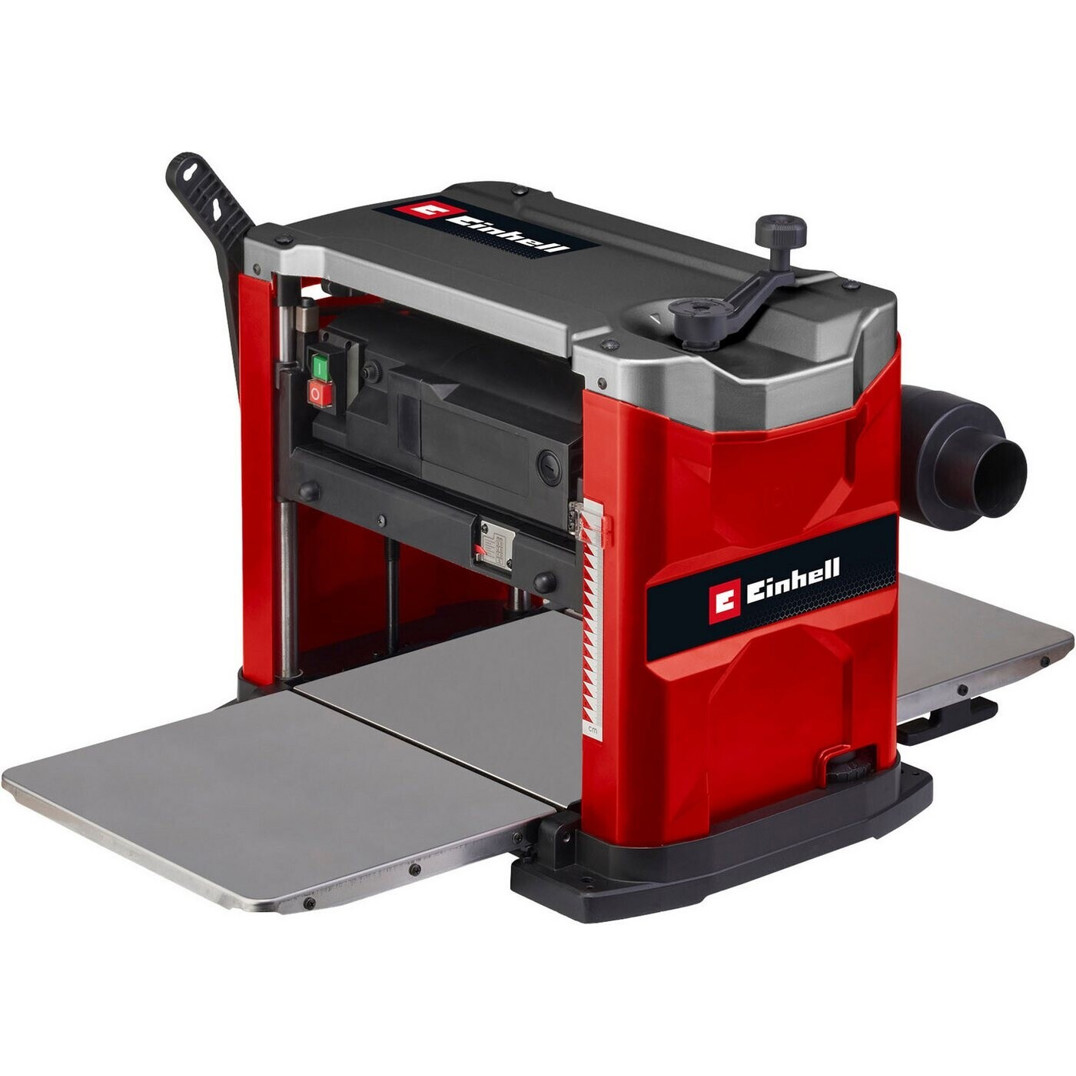
Main Functions of a Planing Machine
- Thicknessing: Reducing the thickness of wood to a specified measurement.
- Flat Surfacing: Creating flat faces on rough-cut lumber.
- Decreasing Warp: Correcting twisted or distorted boards to make them ideal for use in projects.
- Preparation for Joinery: Ensuring that edges are flat and square for joining pieces together.
How Does a Planing Machine Work?
Woodworking planing machines resolve a series of turning blades or knives that shave off thin layers of wood. When a piece of lumber is fed through the maker, the blades eliminate material from the surface area, leading to a smooth and consistent finish. A lot of planers permit users to adjust the cutting depth, hence specifying just how much product is gotten rid of with each pass.
Types of Woodworking Planing Machines
Specialists in the woodworking scene generally consider the following types of planing machines:
| Type | Description | Perfect Use Case |
|---|---|---|
| Benchtop Planer | Compact and portable, designed for smaller sized shops. | Hobbyists or small-scale woodworking. |
| Stationary Planer | Larger, heavy-duty models supplying greater stability and efficiency. | Professional purchase high-volume usage. |
| Jointer/Planer Combo | Integrates the capabilities of both a jointer and a planer in one maker. | Perfect for space-limited workshops. |
| Drum Planer | Functions a rotating drum with sandpaper, used for big surfaces and industrial planing machines thicknessing. | Massive production and cabinets. |
Selecting the Right Planing Machine
Choosing the ideal preparation device includes several factors to consider:
- Type of Work: Define the kind of woodwork you will be participated in, whether it's furniture making, kitchen cabinetry, or woodworking as a hobby.
- Space: Assess your workshop area to figure out if you require a portable choice or if you can accommodate a stationary machine.
- Power and Motor Size: Larger, more powerful motors can handle tougher materials and longer hours, which might be necessary for professional users.
- Budget: Planing machines can differ greatly in price. Identify your budget, bearing in mind that purchasing a higher-quality machine may save you money in the long run due to resilience and precision.
- Features: Tragbare Hobelmaschinen Look for extra functions such as dust collection ports, speed adjustments, and hobelmaschinen für heimwerker built-in safety mechanisms that can enhance functionality and performance.
Maintenance and Care
Like any equipment, woodworking planing machines require routine upkeep to guarantee durability and efficiency. Here are some ideas for keeping your planer:
- Keep Blades Sharp: Dull blades can cause burns, chatter marks, and irregular finishes, making routine honing essential.
- Clean Daily: Remove wood shavings and particles after each usage to avoid breakdowns.
- Lubricate Moving Parts: Regular lubrication of parts such as screws and bearings can avoid rust and enhance performance.
- Check Alignment: Regularly inspect and adjust the table's alignment to make sure precise cuts.
Frequently Asked Questions (FAQs)
Q1: Is a planing device required for woodworking?A1: While not strictly essential, a planing maker considerably improves the quality and consistency of woodworking projects, making it an indispensable tool for major woodworkers. Q2: Can I use a hand airplane rather of a planing machine?A2: Yes, hand airplanes
can be utilized but might be more time-consuming and physically demanding, particularly for larger pieces of wood. Q3: How do I set the cutting depth on my planer?A3: Most planing machines include a depth change knob or lever.
Turn the knob to raise or reduce the table, setting
the wanted thickness for Hobelmaschinen Kaufen the cut. Q4: Hobelmaschinen In Meiner Nähe What is the difference in between a density planer and a jointer?A4: A density planer is mainly used for reducing the thickness
of wood while making it flat, whereas a jointer is utilized to flatten one face
of a board and to develop square edges. Q5: Hobelmaschinen-Shop How do I avoid tear-out when utilizing a planer?A5: Tear-out frequently takes place on soft wood or at the end of a board. To lessen this, consider utilizing a support board or adjusting the feeding technique to accomplish cleaner cuts. In conclusion, woodworking planing
machines are indispensable tools that provide efficiency, precision, and adaptability to woodworkers of all skill levels. By comprehending their functions, types, and maintenance requirements, woodworkers
can make informed choices that enhance the quality of their work. Whether you're an enthusiast or a professional artisan, purchasing a woodworking planing maker is a decision that can elevate the craftsmanship and precision of your woodworking projects to new heights.
- 이전글You'll Never Guess This Best Robot Vacuums UK's Benefits 26.03.06
- 다음글A An Instructional Guide To Best Cot From Beginning To End 26.03.06
댓글목록
등록된 댓글이 없습니다.