9 Lessons Your Parents Teach You About Casement Window Replacement
페이지 정보

본문
A Comprehensive Guide to Casement Window Replacement
Casement windows are a popular option amongst house owners due to their distinct functionality and visual appeal. With hinges located on one side, these windows open outside, supplying exceptional ventilation and an unblocked view. However, like all home components, they might ultimately require replacement. This post offers an extensive guide to replacing casement windows, consisting of key factors to consider, steps to follow, and FAQs.
Why Replace Casement Windows?
Before diving into the replacement process, it's important to understand why property owners might select to change casement windows:

- Energy Efficiency: Older windows may have lost their insulation residential or commercial properties, resulting in increased energy expenses.
- Aesthetic Updates: Homeowners may want to enhance the outside appearance of their homes.
- Functionality Issues: Worn-out or broken windows may be challenging to open or seal effectively.
- Noise Reduction: Newer models often provide better sound insulation, enhancing indoor comfort.
When to Replace Casement Windows
Identifying the best time for a casement window replacement is important. Here are some indications that show a requirement for replacement:
- Visible Damage: Look for cracks, chips, or warping in the window frame.
- Drafts: Noticeable drafts when the windows are closed signal that the seals might be compromised.
- Condensation: Presence of water in between the panes shows stopped working double glazing.
- Problem in Operation: If windows end up being hard to open or close, it might be time for replacements.
Selecting the Right Casement Windows
When picking new casement windows, consider the list below factors:
Material:
- Vinyl: Low maintenance, good insulation.
- Wood: Classic appearance but needs more maintenance.
- Aluminum: Durable however might not be as energy-efficient.
Energy Efficiency Ratings: Look for Energy Star-certified windows to ensure lower energy expenses.
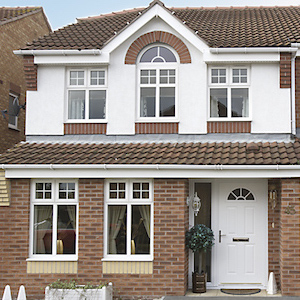
Design and Customization: Choose a design that complements your home's architecture, with choices for color, size, and grid patterns.
Table 1: Comparison of Window Materials
| Material | Pros | Cons |
|---|---|---|
| Vinyl | Low maintenance, energy-efficient | Limited color options |
| Wood | Aesthetic appeal, insulation | High maintenance, susceptible to rot |
| Aluminum | Durability, light-weight | Poor insulation |
The Window Replacement Process
Changing casement windows can be a substantial task. Here's a step-by-step guide to help property owners:
Step 1: Measure the Opening
Precise measurements are essential. Utilize a measuring tape to figure out the width and height of the Window Installation Expert opening. Measure at multiple points to ensure harmony, as old frames might not be completely square.
Step 2: Remove the Old Window
- Prepare the Area: Clear the surrounding area of furnishings or decors.
- Get Rid Of Window Stops: Gently pry off the stops holding the window in location.
- Secure the Old Window Installation Quote: Remove the window frame thoroughly, guaranteeing not to harm the surrounding wall or trim.
Step 3: Install New Windows
- Examine the Opening: Clean and prepare the opening for the new window.
- Place the New Window: Center the brand-new casement window in the opening, guaranteeing it is level.
- Secure the Window: Fasten it according to the maker's guidelines, normally with screws.
- Seal the Edges: Use caulk to seal the edges and avoid air and water leaks.
Step 4: Finishing Touches
- Reattach Stops: Replace the window stops to secure the window in place.
- Touch Up Paint: If necessary, paint or finish the trim around the window to match the decor.
Step 5: Clean Up
Eliminate any debris from the installation process and check for any issues. Make sure that the window opens and closes smoothly.
FAQs about Casement Window Replacement
What is the typical cost of casement window replacement?
The cost might vary widely based on window type, materials, and labor. On average, homeowners can expect to invest between ₤ 300 to ₤ 800 per window, including installation.
How long does it take to change casement windows?
The replacement procedure for a single Window Repair Specialist usually takes between 2 to 4 hours, while several windows may require a whole day or more, depending upon the extent of work required.
Can I change casement windows myself?
While DIY replacement is possible, it needs exact measurements, tools, and abilities. Working with a Professional Casement Window Installer may ensure a higher quality of installation.
What maintenance is required after installation?
New casement windows require minimal upkeep. Routine cleansing of the glass and lubrication of the hinges will make sure long-lasting efficiency. Examine seals occasionally and tidy window tracks.
Are casement windows a great alternative for energy effectiveness?
Yes, casement windows are understood for their energy effectiveness, specifically when properly sealed and set up. They provide outstanding ventilation without sacrificing thermal efficiency.
Replacing casement windows is a significant investment that can enhance your home's performance, appearance, and energy effectiveness. By comprehending the when, why, and how of Casement Window Repair window replacement, house owners can make informed decisions that boost their comfort and home worth. Whether you select to take on the task yourself or work with professionals, being well-prepared is necessary for an effective replacement.
- 이전글Guide To Eu Driving License Process: The Intermediate Guide The Steps To Eu Driving License Process 26.03.06
- 다음글What's The Job Market For Self Mental Health Assessment Professionals Like? 26.03.06
댓글목록
등록된 댓글이 없습니다.